How Regular Vehicle Maintenance Saves You Money in the Long Run
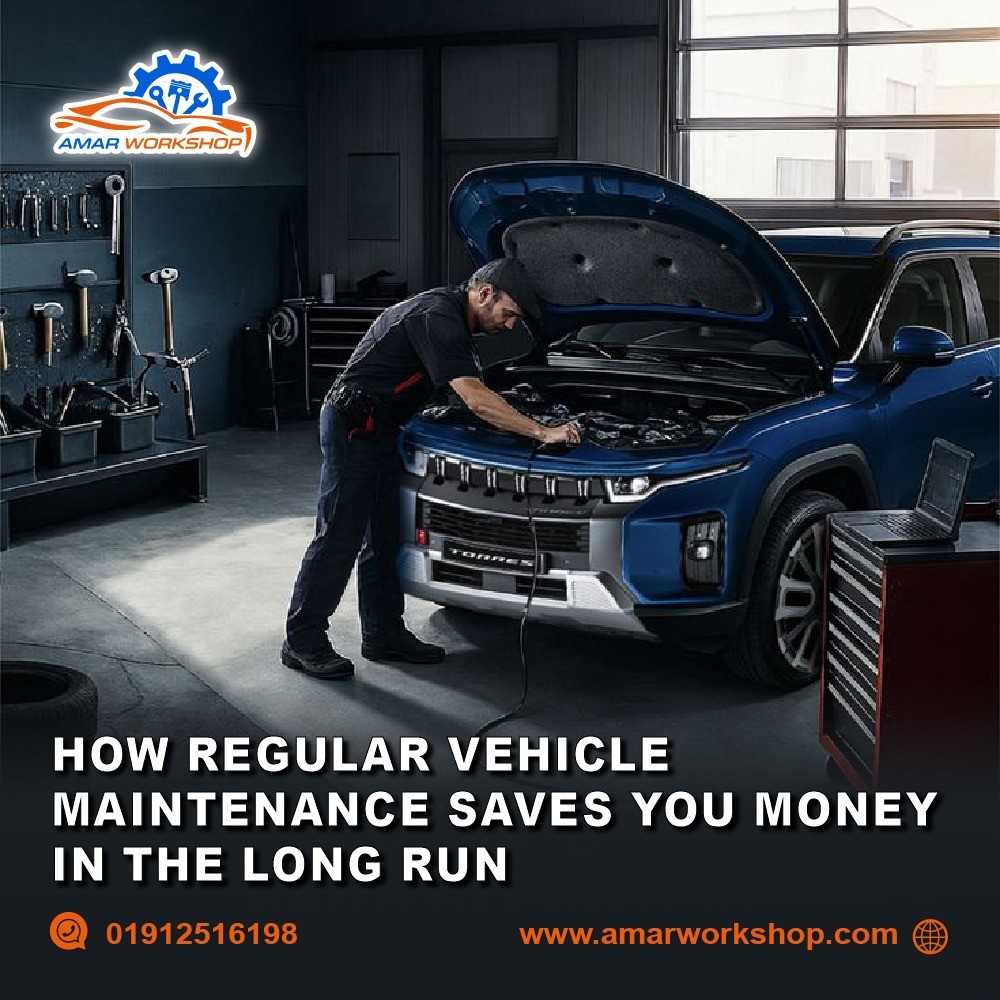
How Regular Vehicle Maintenance Saves You Money in the Long Run
Authored by
Amar Workshop
Date Released
29 June, 2026
Many vehicle owners only visit a workshop when something goes wrong. While this approach may seem like a way to save money, it often leads to expensive repairs that could have been prevented. Regular vehicle maintenance is one of the smartest investments you can make to keep your car running efficiently, safely, and economically.
At Amar Workshop, we believe that preventive maintenance is far more cost-effective than emergency repairs. Routine inspections and timely servicing not only reduce the risk of breakdowns but also improve your vehicle's performance, fuel economy, and resale value.
This guide explains how regular maintenance can save you thousands of dollars over the lifetime of your vehicle.
What Is Preventive Vehicle Maintenance?
Preventive maintenance involves scheduled inspections, servicing, and replacement of wear-and-tear components before they fail. Instead of waiting for a breakdown, you proactively maintain your vehicle according to the manufacturer's recommended service intervals.
Typical preventive maintenance includes:
Engine oil and filter replacement
Brake inspection
Tire rotation
Wheel alignment
Battery testing
Air filter replacement
Fluid level checks
Suspension inspection
Transmission servicing
Computerized diagnostics
These routine services help identify small problems before they become major repairs.
1. Prevents Expensive Engine Repairs
The engine is the heart of your vehicle—and one of its most expensive components. Neglecting basic maintenance can result in severe engine damage.
Example:
Failing to change engine oil regularly can lead to:
Increased friction
Overheating
Sludge buildup
Premature engine wear
Engine seizure
A routine oil change costs only a fraction of the price of rebuilding or replacing an engine.
2. Improves Fuel Efficiency
Poorly maintained vehicles consume more fuel. Dirty filters, worn spark plugs, underinflated tires, and clogged fuel injectors force the engine to work harder.
Maintenance that improves fuel economy:
Clean air filters
Proper tire pressure
Fuel injector cleaning
Engine tuning
Wheel alignment
Oxygen sensor inspection
Improving fuel efficiency by just a few percent can save a significant amount over the course of a year.
3. Reduces the Risk of Unexpected Breakdowns
No one wants their vehicle to break down during a commute or family trip. Regular inspections help identify worn or failing components before they cause serious problems.
Common issues detected early include:
Weak batteries
Brake wear
Coolant leaks
Tire damage
Suspension wear
Electrical faults
Early repairs are usually quicker, simpler, and much less expensive than emergency roadside repairs.
4. Extends the Life of Your Vehicle
A well-maintained vehicle lasts significantly longer than one that is neglected.
Routine servicing protects:
Engine
Transmission
Suspension
Cooling system
Brake system
Electrical components
Many vehicles can easily exceed 200,000 kilometers when properly maintained.
5. Increases Resale Value
A vehicle with a complete maintenance history is more attractive to potential buyers.
Benefits include:
Higher resale price
Faster sale
Greater buyer confidence
Proof of responsible ownership
Keeping service records demonstrates that the vehicle has been professionally maintained.
6. Protects Your Warranty
Many vehicle manufacturers require regular servicing to maintain warranty coverage.
Skipping scheduled maintenance may result in:
Warranty claims being denied
Reduced manufacturer support
Additional repair expenses
Following the recommended maintenance schedule helps protect your investment.
7. Improves Road Safety
Maintenance is about more than saving money—it's also about protecting lives.
Critical safety systems include:
Brakes
Tires
Steering
Suspension
Lights
Windshield wipers
Regular inspections help ensure these systems function correctly, reducing the risk of accidents.
8. Helps Avoid Major Transmission Repairs
Transmission repairs are among the most expensive automotive services.
Routine maintenance includes:
Transmission fluid replacement
Leak inspections
Software updates (for modern vehicles)
Gear operation testing
Replacing transmission fluid on schedule can greatly extend the life of the gearbox.
9. Prevents Tire Replacement Costs
Tires wear unevenly if they are not properly maintained.
Regular maintenance includes:
Wheel alignment
Tire balancing
Tire rotation
Pressure checks
These simple services extend tire life and improve handling and fuel efficiency.
10. Detects Small Problems Before They Become Big Ones
Many expensive repairs begin as minor issues.
Examples include:
A small coolant leak leading to engine overheating
Worn brake pads damaging expensive brake rotors
A weak battery leaving you stranded
Loose suspension parts causing uneven tire wear
Minor oil leaks leading to major engine damage
Early detection keeps repair costs low.
Recommended Vehicle Maintenance Schedule
Every Month
Check engine oil
Inspect coolant level
Check tire pressure
Test lights
Refill windshield washer fluid
Every 5,000–10,000 km
Change engine oil and filter
Rotate tires
Inspect brakes
Perform a multi-point inspection
Every 20,000–30,000 km
Replace engine air filter
Inspect suspension
Check battery health
Perform wheel alignment if needed
Every 40,000–60,000 km
Replace brake fluid
Service transmission
Clean fuel injectors
Inspect cooling system
Every 80,000–100,000 km
Replace spark plugs (if applicable)
Inspect timing belt or chain
Perform a comprehensive vehicle inspection
Always refer to your vehicle manufacturer's maintenance schedule for specific recommendations.
Common Mistakes That Cost Vehicle Owners Money
Avoid these costly habits:
Ignoring dashboard warning lights
Skipping oil changes
Driving with low tire pressure
Delaying brake repairs
Using poor-quality replacement parts
Ignoring unusual noises or vibrations
Missing scheduled maintenance
Waiting until the vehicle breaks down
These mistakes often result in higher repair bills and shorter vehicle lifespan.
Why Choose Amar Workshop?
At Amar Workshop, we understand that preventive maintenance is the foundation of reliable vehicle ownership. Our experienced technicians use advanced diagnostic equipment, modern repair techniques, and quality replacement parts to keep your vehicle in peak condition.
Our Services Include:
Complete Vehicle Maintenance
Engine Diagnostics & Repair
Brake System Inspection
Computerized Vehicle Diagnostics
Wheel Alignment & Tire Balancing
Car Air Conditioning Service
Battery Testing
Transmission Repair
Suspension & Steering Service
Fuel Injector Cleaning
Ceramic Coating & Detailing
Hybrid & Electric Vehicle Maintenance
Our goal is to help you reduce repair costs while maximizing your vehicle's performance and longevity.
Frequently Asked Questions (FAQs)
1. Is regular maintenance really worth the cost?
Yes. Routine maintenance is significantly less expensive than repairing major mechanical failures caused by neglect.
2. How often should I service my vehicle?
Most vehicles require servicing every 5,000–10,000 kilometers or according to the manufacturer's recommendations.
3. Can regular maintenance improve fuel economy?
Absolutely. Properly maintained engines, tires, and fuel systems operate more efficiently, reducing fuel consumption.
4. Does preventive maintenance increase resale value?
Yes. Buyers are more likely to pay a premium for vehicles with a documented service history.
5. What happens if I skip scheduled maintenance?
Skipping maintenance can lead to reduced performance, increased fuel costs, unexpected breakdowns, expensive repairs, and even loss of warranty coverage.
Conclusion
Regular vehicle maintenance is not an expense—it's an investment. By following a preventive maintenance schedule, you can reduce repair costs, improve fuel efficiency, extend your vehicle's lifespan, enhance safety, and preserve its resale value.
Instead of waiting for a costly breakdown, make routine servicing a priority. A small investment today can save you significant time, money, and stress in the future.
Schedule Your Next Service at Amar Workshop
At Amar Workshop, we are dedicated to helping you get the most from your vehicle. Whether you need routine maintenance, advanced diagnostics, or expert repairs, our skilled technicians are here to deliver reliable, transparent, and professional automotive care.
Book your service today and experience the Amar Workshop difference—where quality, safety, and customer satisfaction come first.